
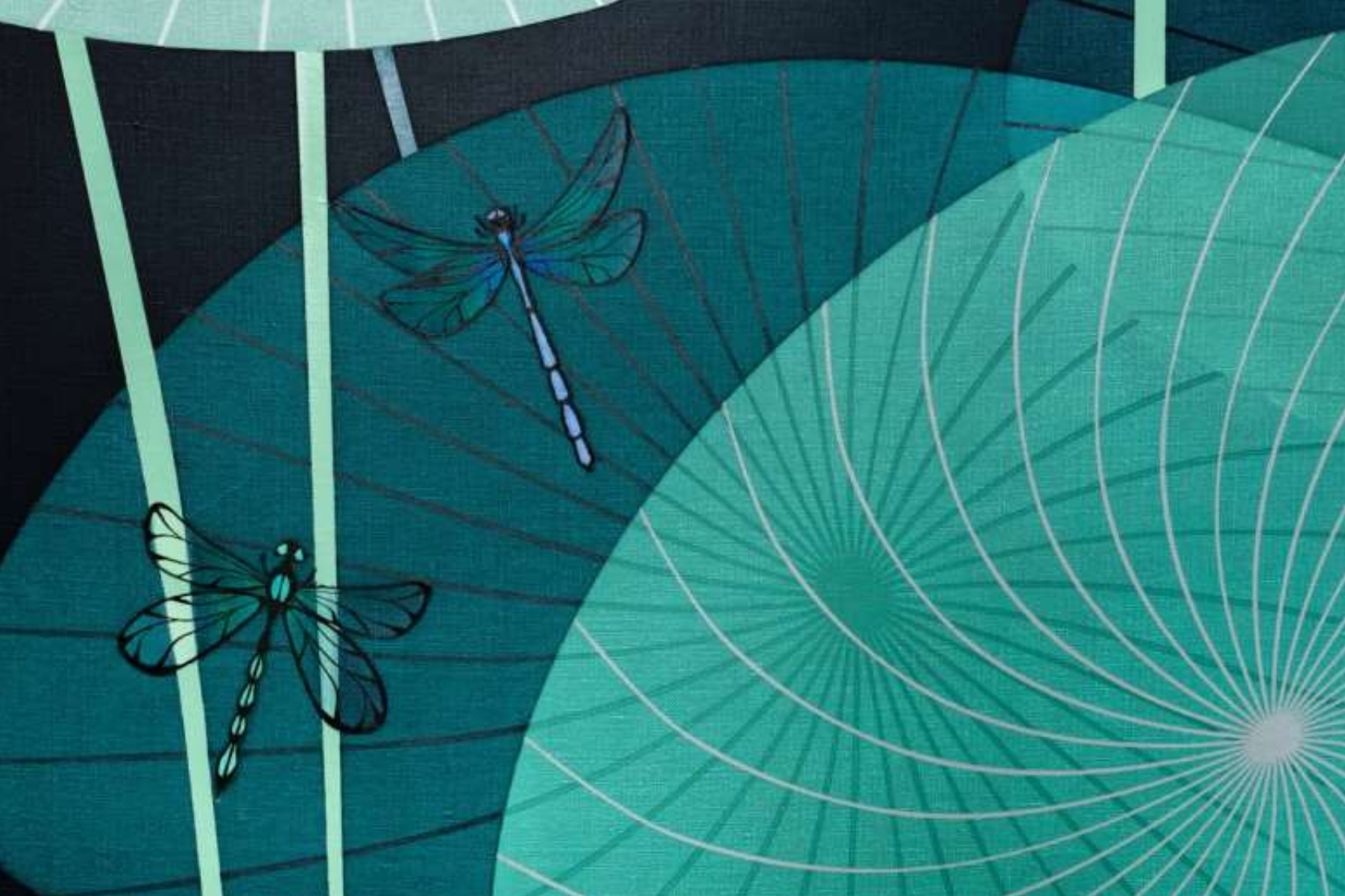
Eduardo Ponjuán. Dragonflies (detail), 2025. Courtesy of El Apartamento
Eduardo Ponjuán. Apertura Ruy López
February 26th - May 30th, 2026
EL APARTAMENTO
Calle de la Puebla, 4, local bajo derecha. Madrid. Spain
El Apartamento presents Apertura Ruy López in the Main Room of its Madrid headquarters. This is the first solo exhibition dedicated to Cuban artist Eduardo Ponjuán, one of the leading figures in the Caribbean art scene.
Over the last eighteen months, Eduardo Ponjuán has been working in a Madrid studio on Apertura Ruy López. The title refers to a chess move popularly known as the Spanish Opening. The analogy drawn by the artist between game and art is an invitation to reflect on the codes of symbolic and cultural power in our times.
The works that Ponjuán displays at El Apartamento, paintings and installations, draw on post-conceptual procedures such as the transmutation between creative process, language and image; the unleashing and alteration of iconic cultural codes; the flirtation with the concept of multiple originals; the intentional dialogue with other artists; and the intensive use of images downloaded from that enormous cloud of information that the universal semantic basin has become.
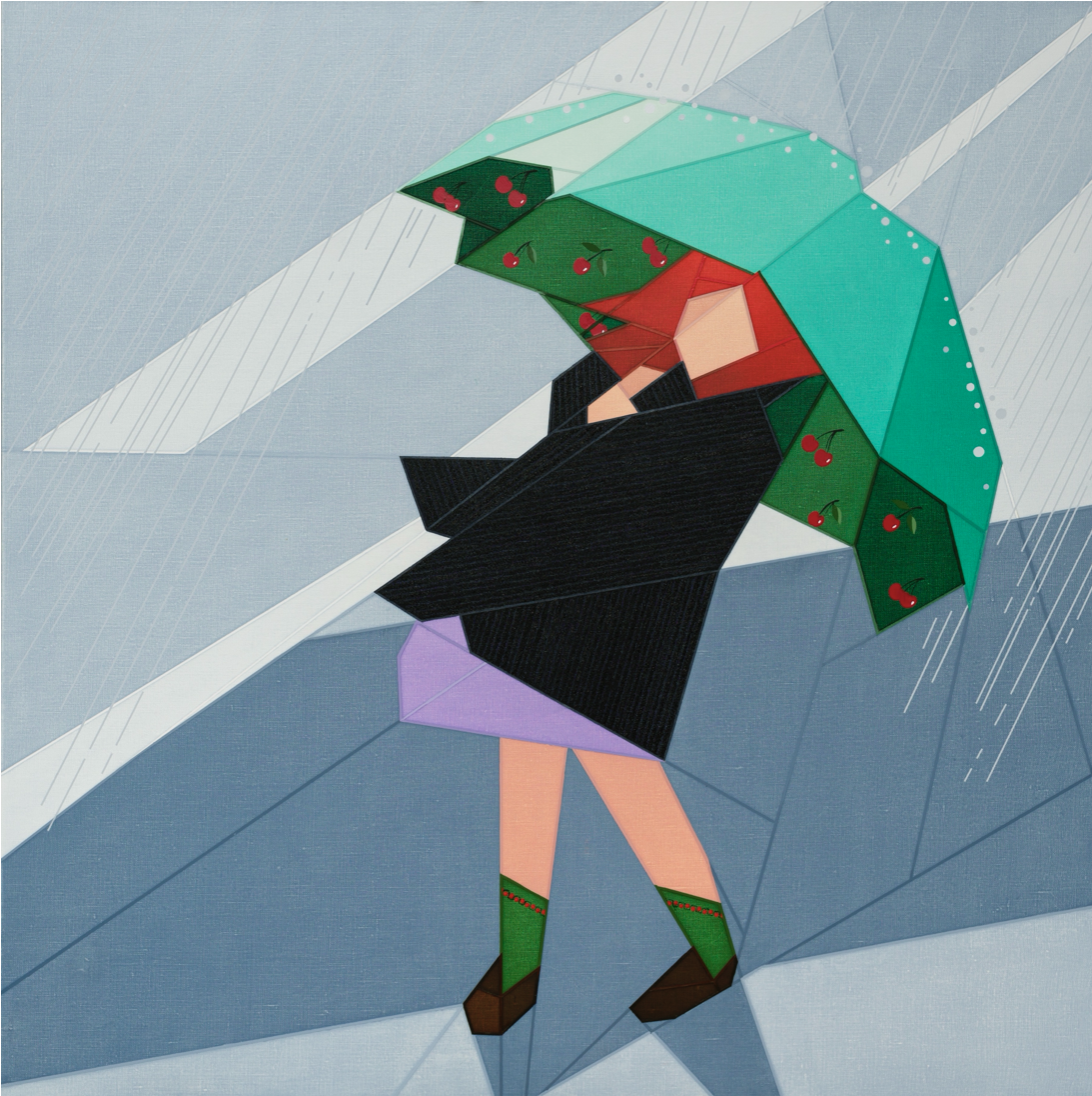
Eduardo Ponjuán. Autumn, 2025. Courtesy of El Apartamento
Thus, the artist offers the public a dialogue with the great masters of art history by revisiting and scrutinising the centre of gravity of artistic practice: representation. Ponjuán uses, for example, pictorial resources such as trompe-l'oeil or ready-made to activate new readings, with the aim of shedding light on the drifts of the European cultural context and reclaiming painting as an intellectual pleasure.
With his constant nods to Fra Angelico, Goya, Velázquez, Van Gogh, Picasso and Duchamp, among others, Ponjuán manages to elicit responses and chart a course where scepticism and irony address and nuance his analyses of already legitimised cultural capital and the cultural practices emerging today among the masses.
Apertura Ruy López is a reflection on the contemporary experience of the image. The artist denounces how the world has been reduced to polished and reproducible surfaces. But he makes it clear that, thanks to its stubborn materiality, painting is still capable of subverting the aforementioned visual passivity that the public often suffers from.